
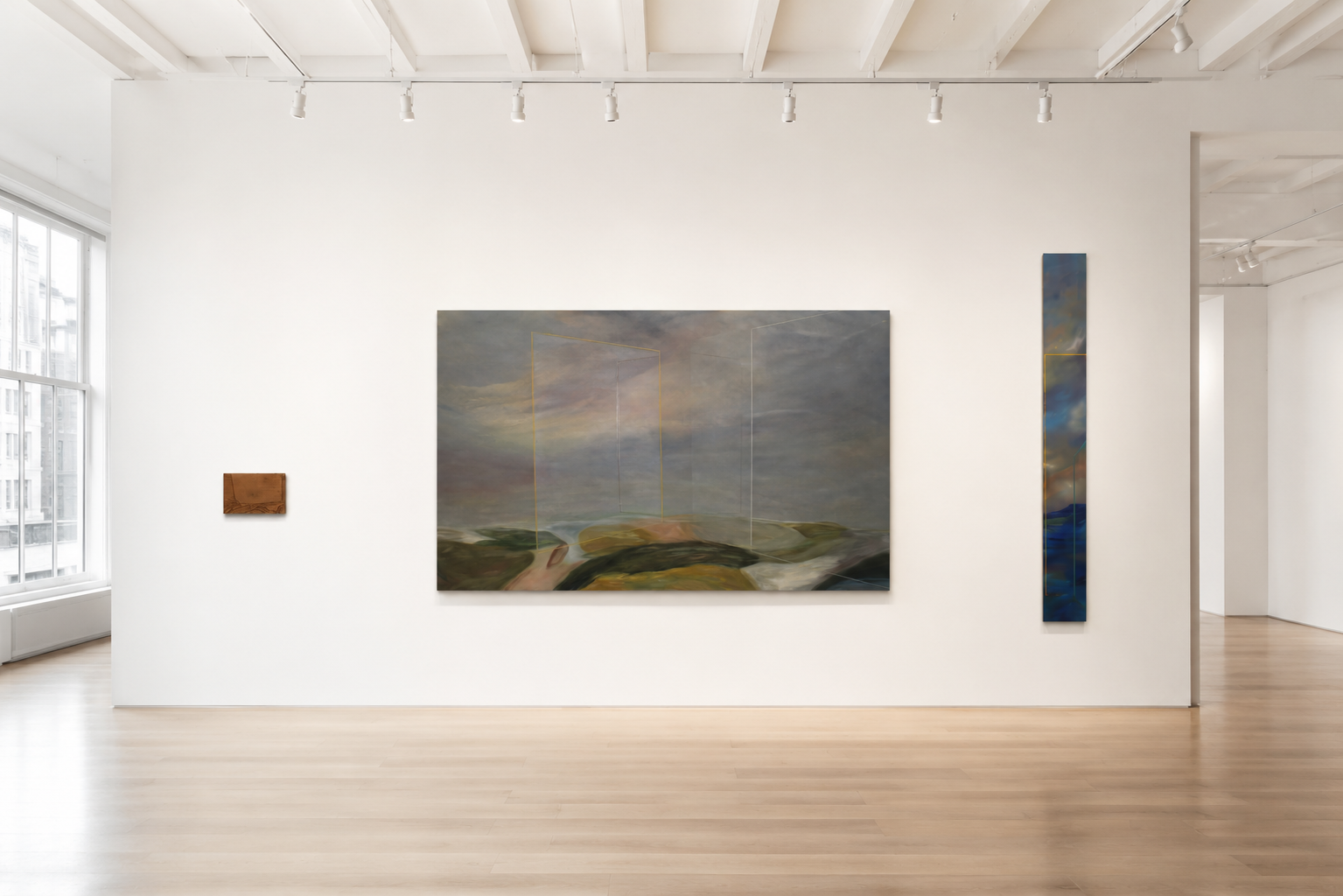
Works in dialogue
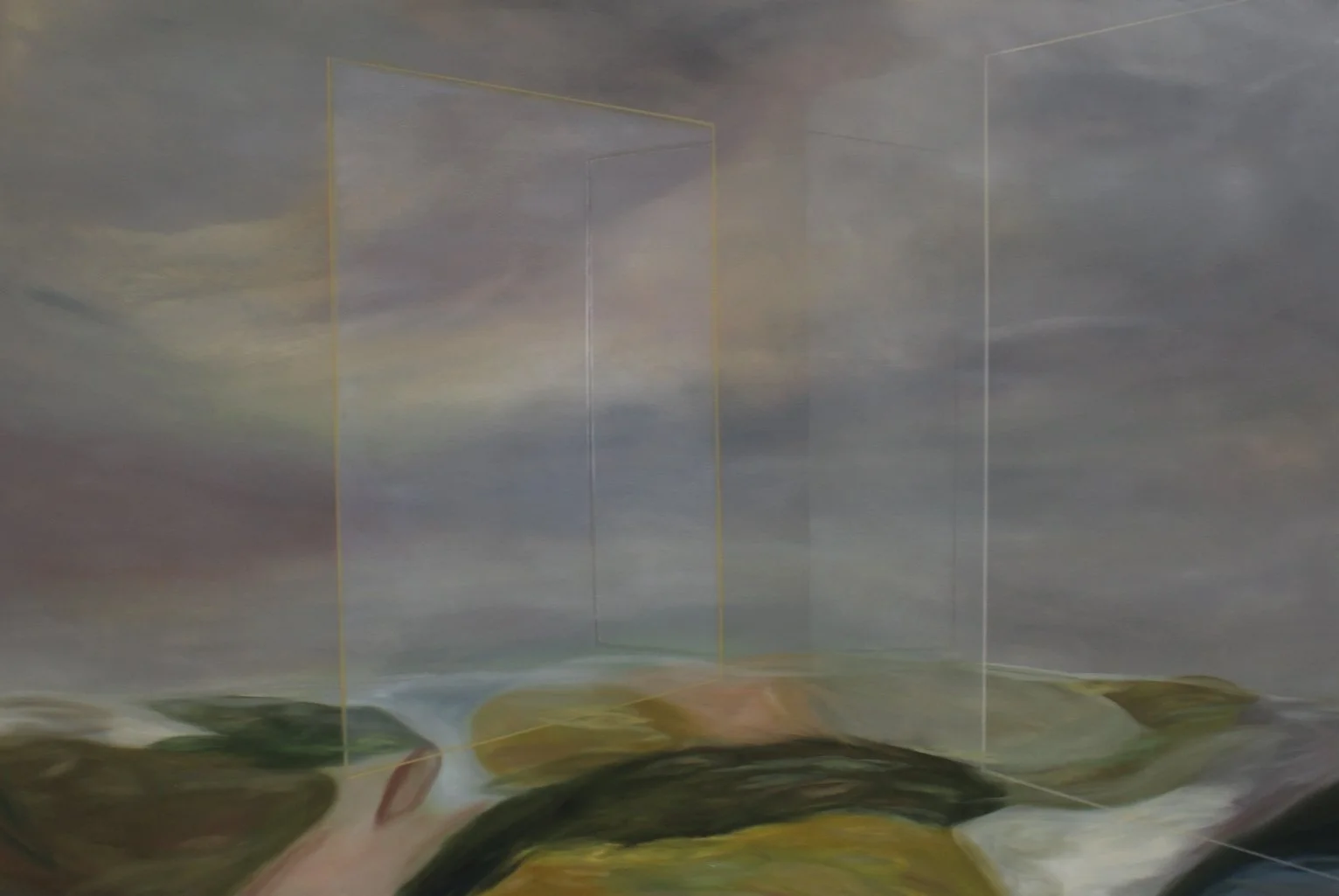
En dehors, revenir à linterieur, 40x60 inches, Oil on canvas, 2026
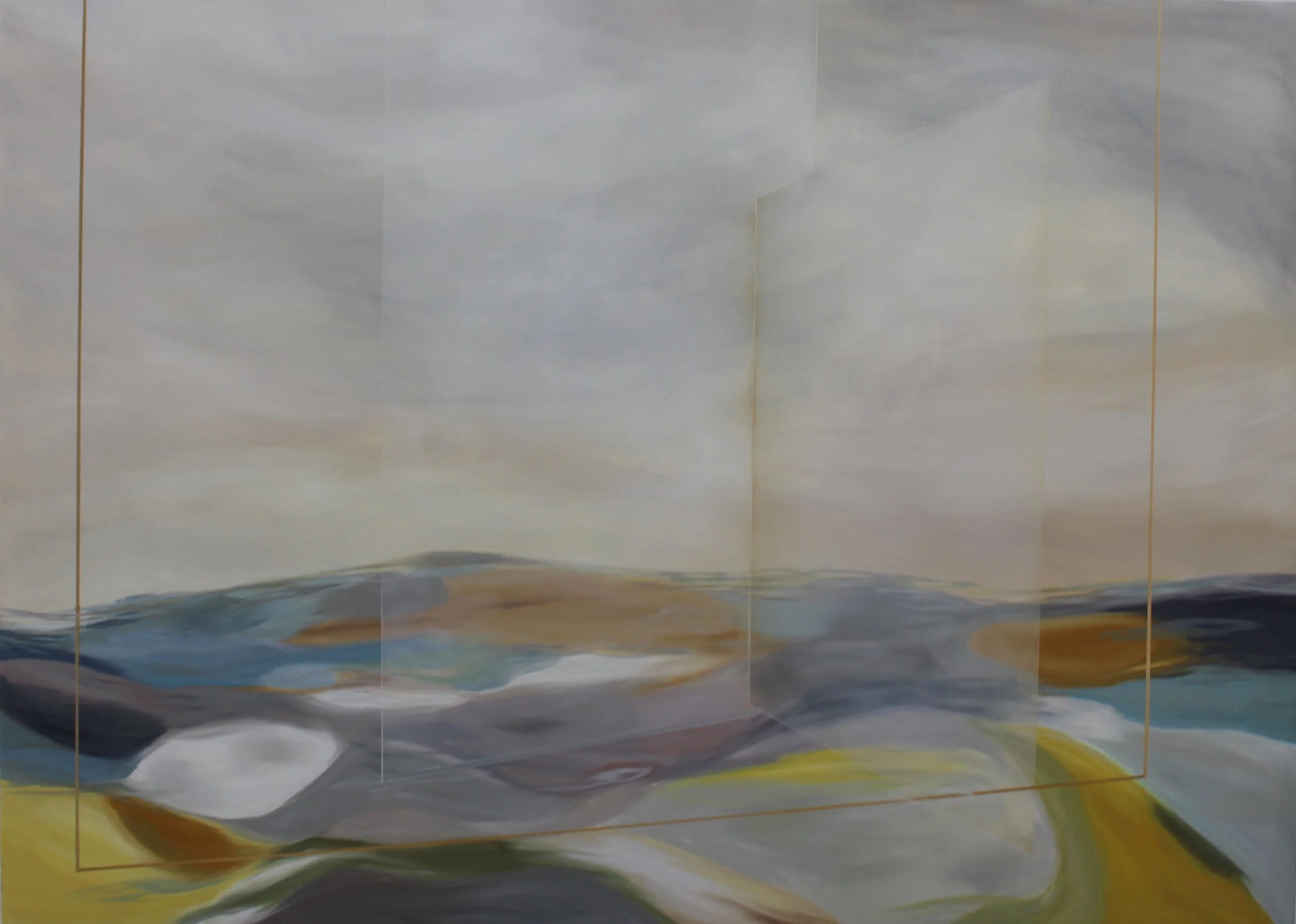
I walked to there, I walked to me 53x74 inches, oil on canvas, 2026
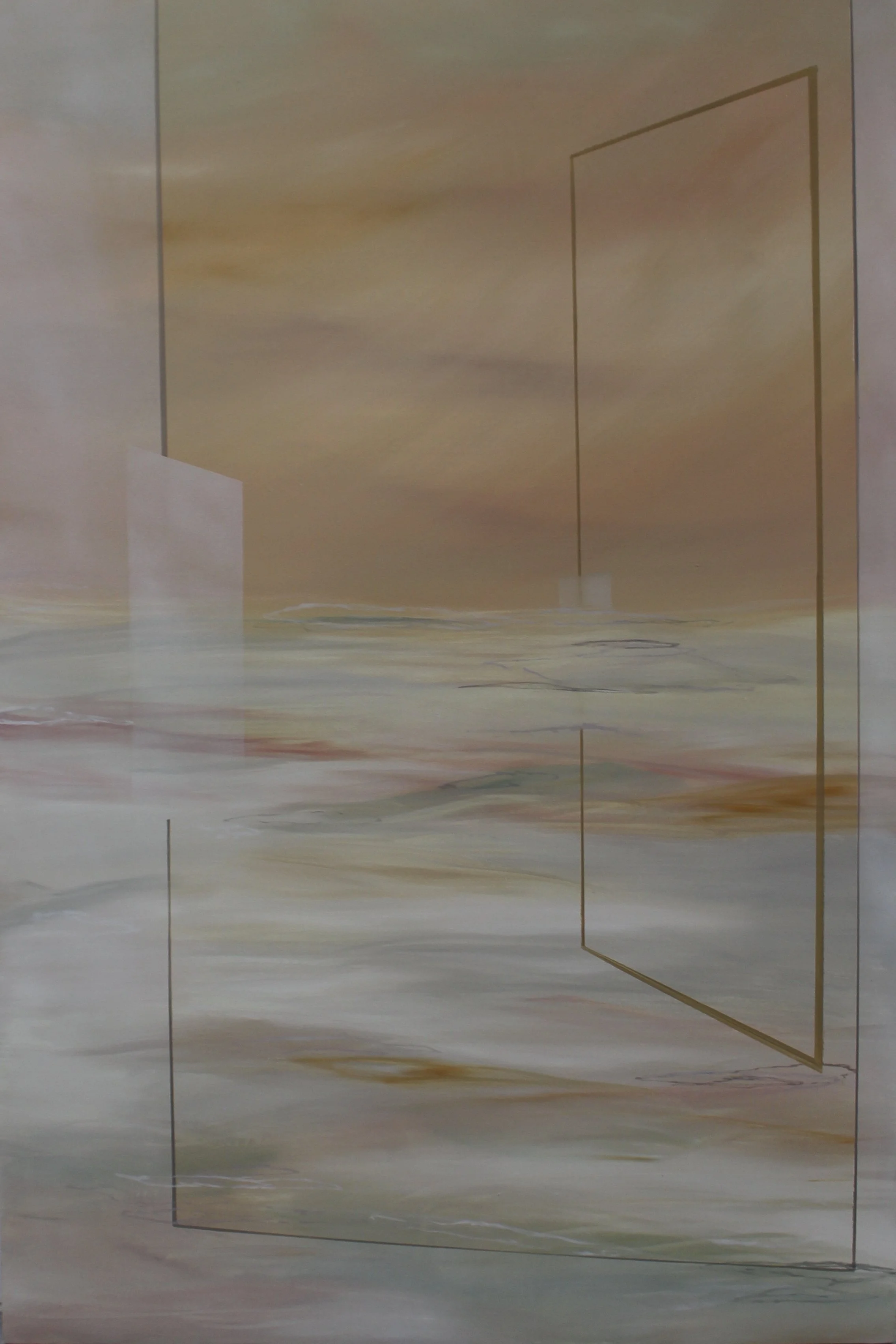
I existed in parallel, 60x40 inches, oil on canvas, 2026
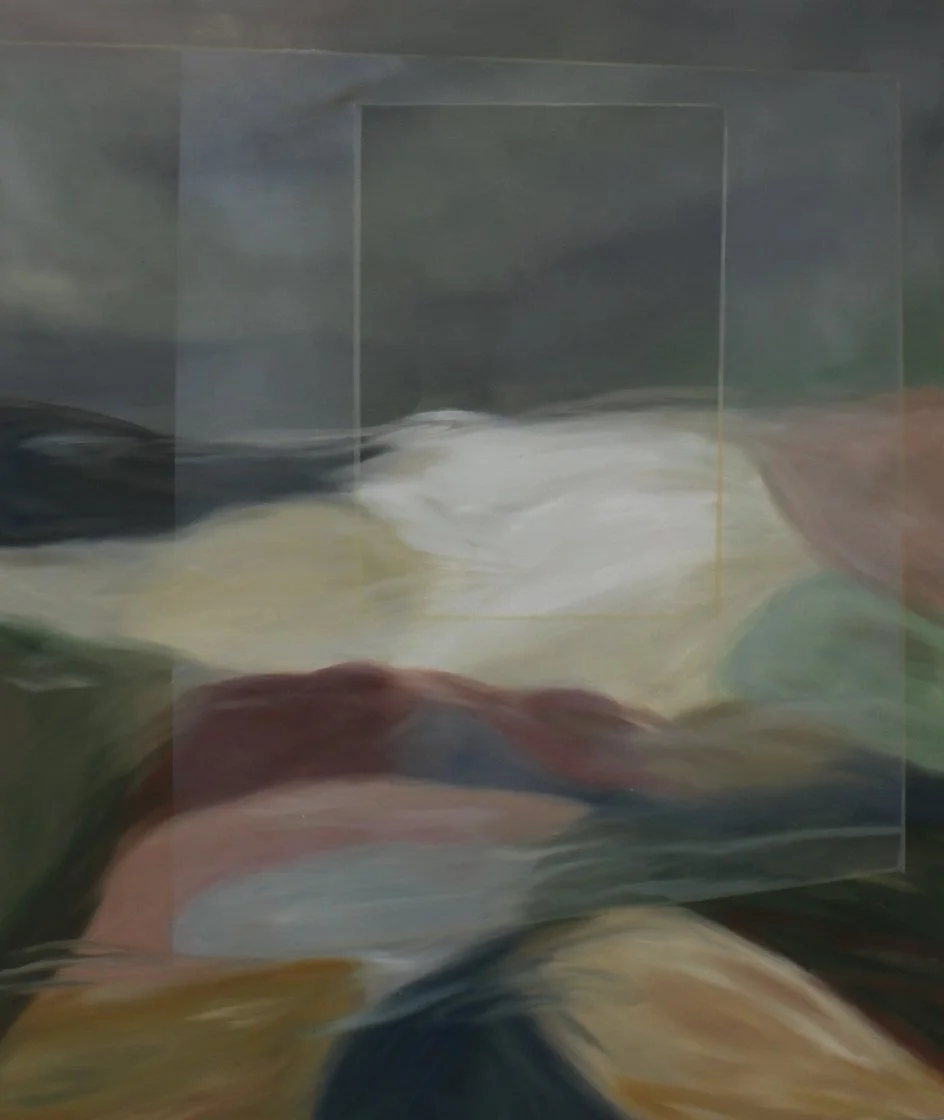
Rentrer chez-soi, 32x27 inches, Oil on canvas, 2026
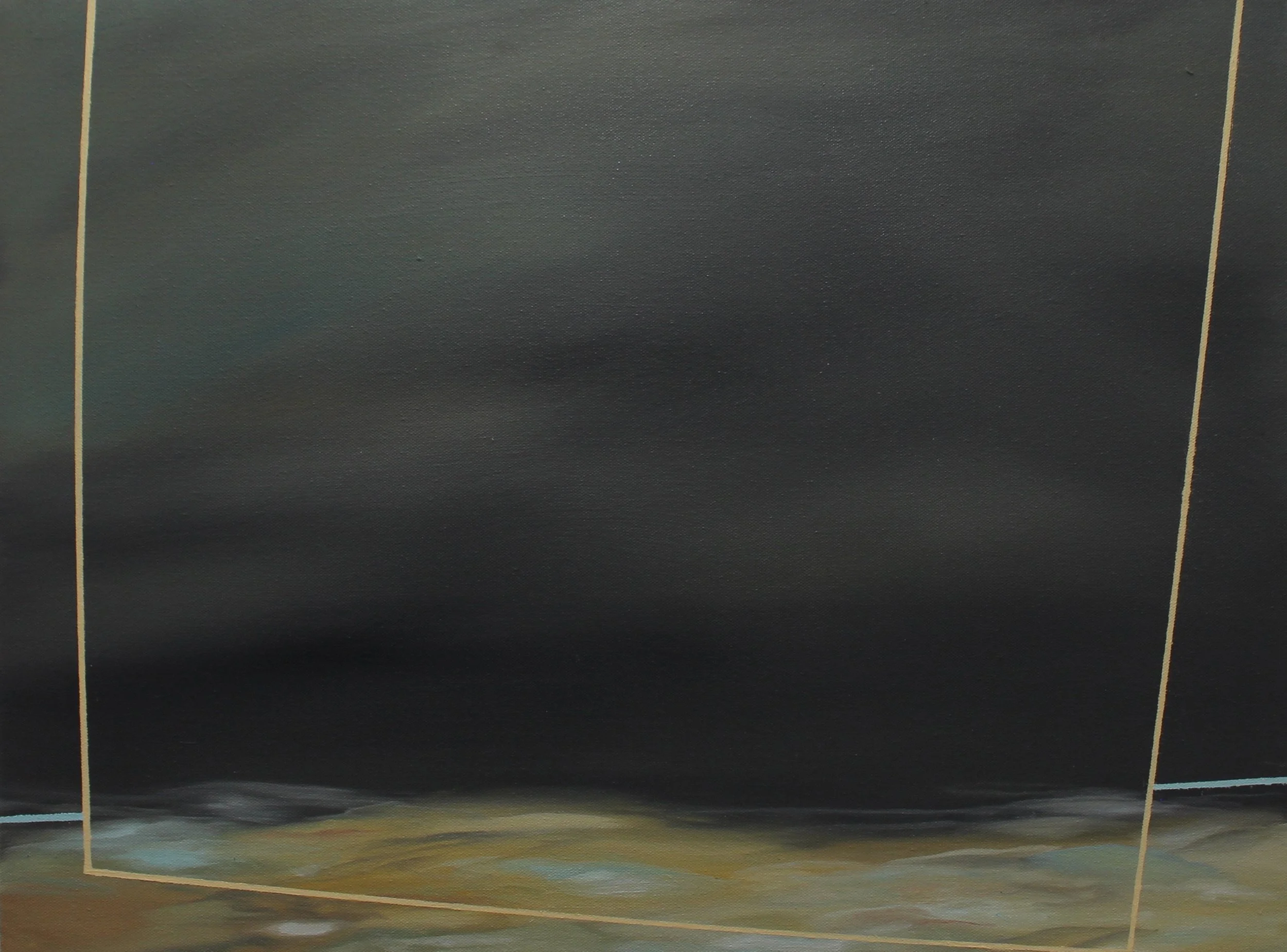
I went on the horizon to look at tomorrow, 18x24 inches, Oil on canvas, 2026
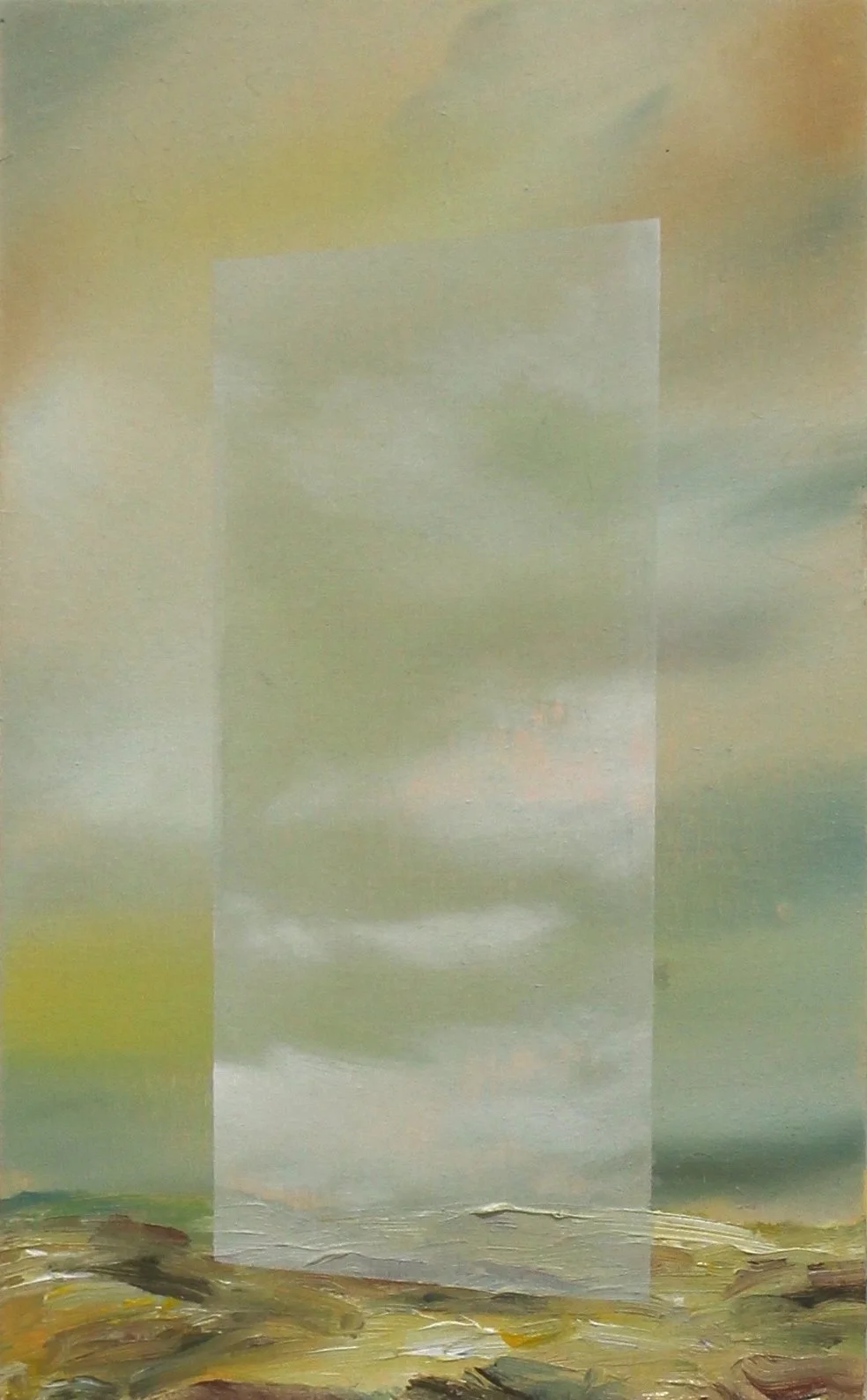
Atmospheric rivers no3, 8,5x5x5 inches, oil pastel on wood, 2026
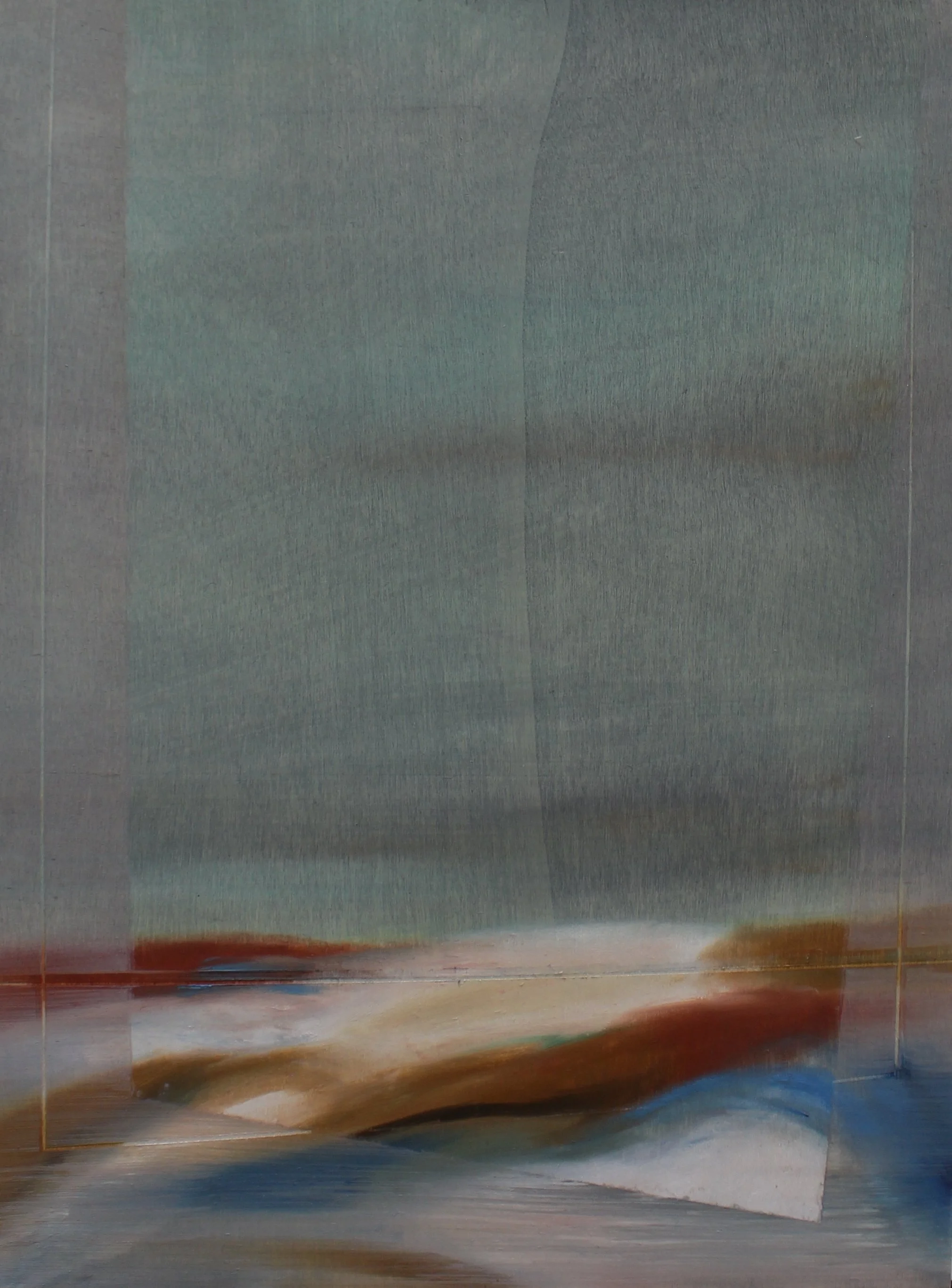
You were my direction, 12x9 inches, oil pastel on wood, 2026
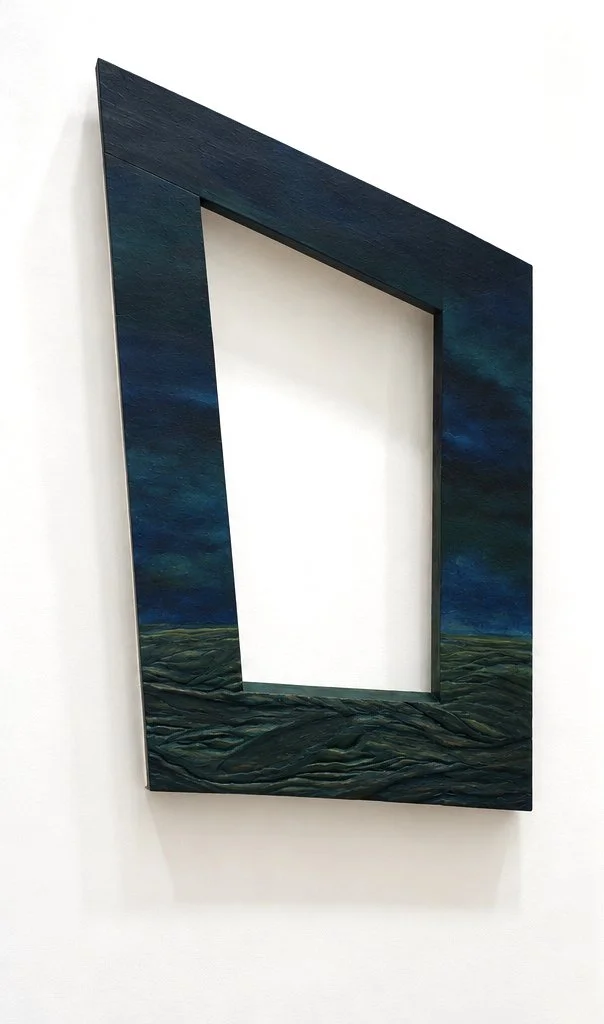
They met, 31x21x1,5 inches, Oil and handcarved on handmade support in wood, 2026
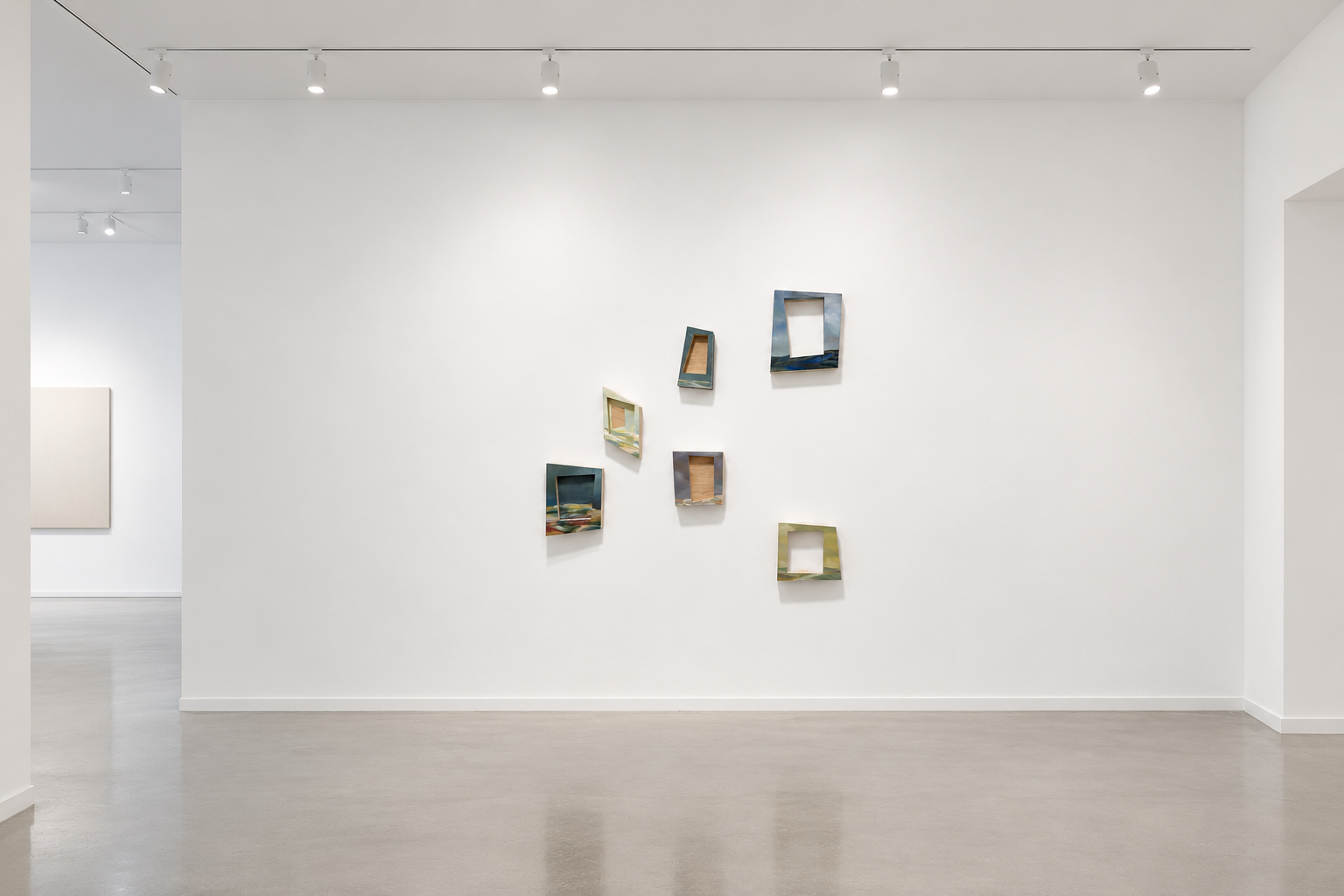
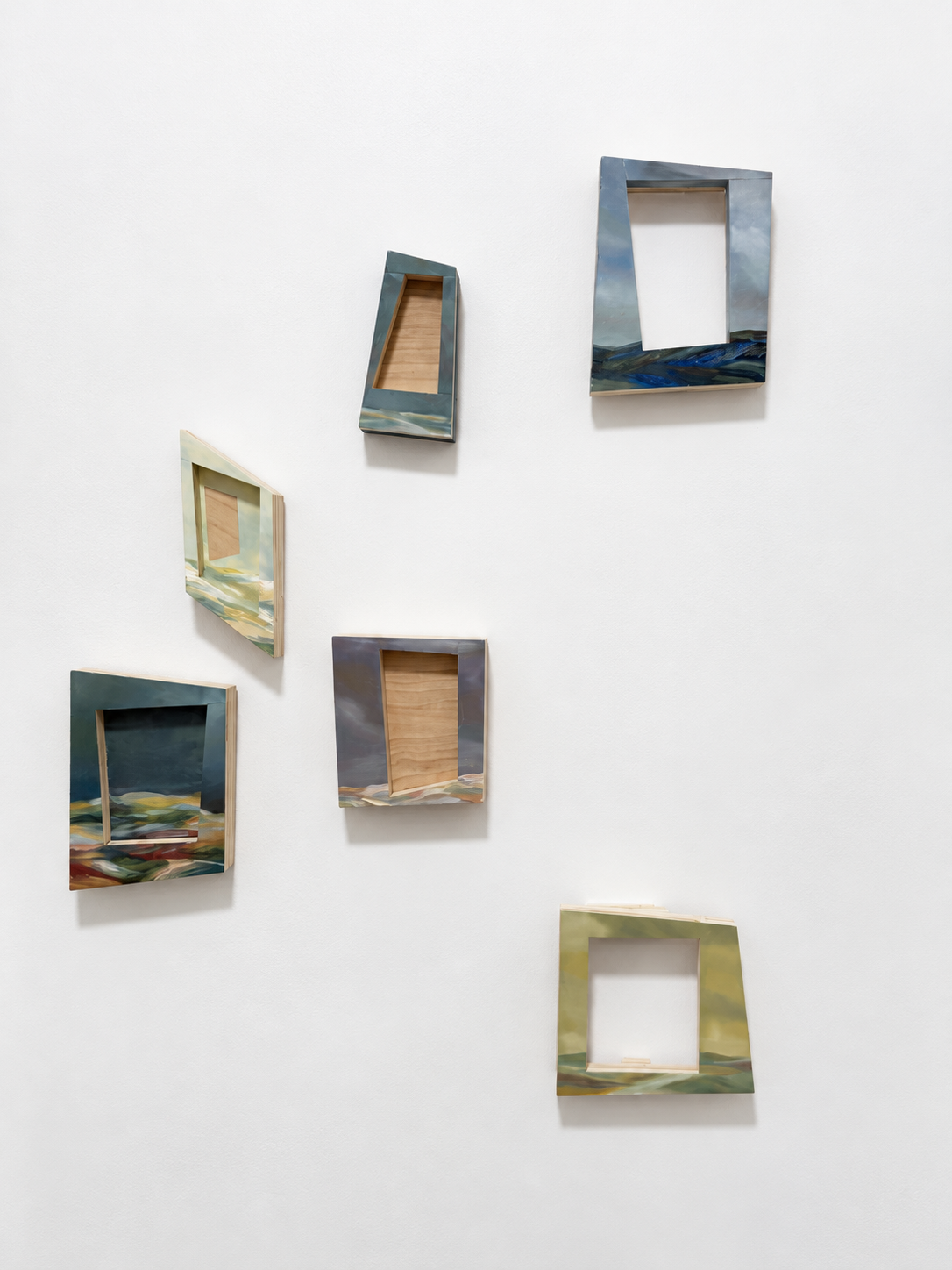
A window inside of us, small wall sculptures, Oil on wood, 2026
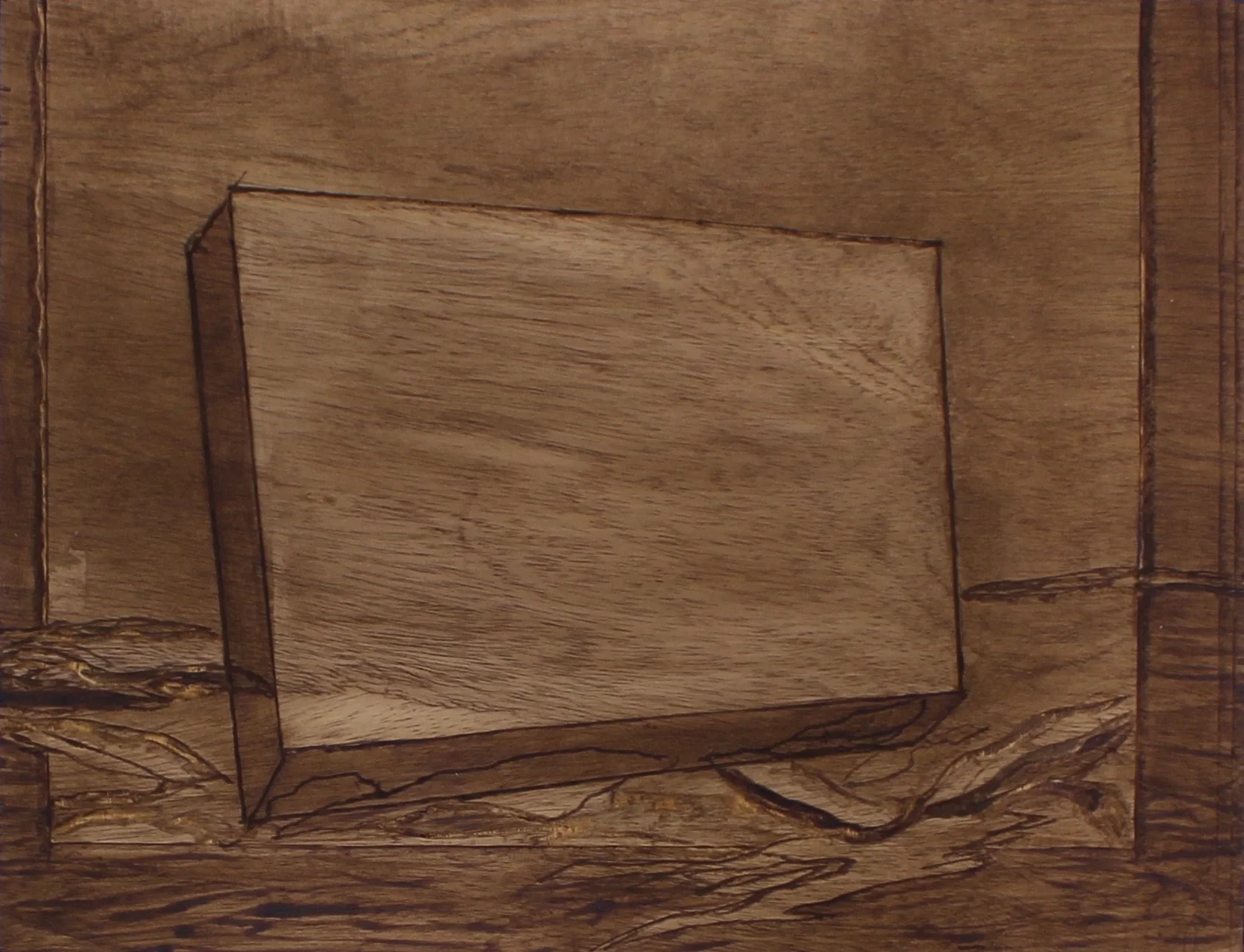
Stories we carved, 12x16 inches, hand-carved wood and wood stain, 2026
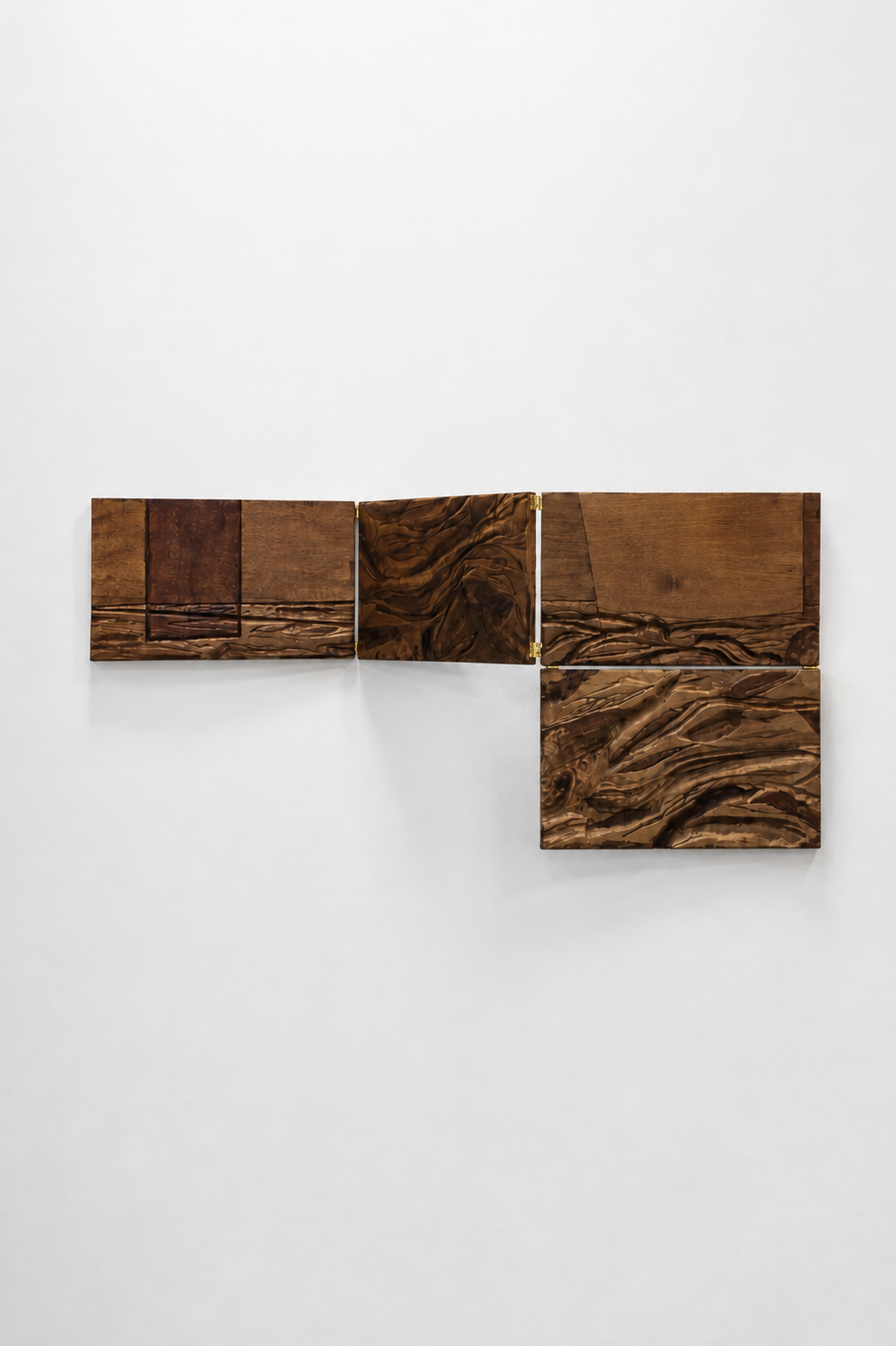
Stories unfolding, 16x24 inches, hand-carved wood and wood stain, 2026
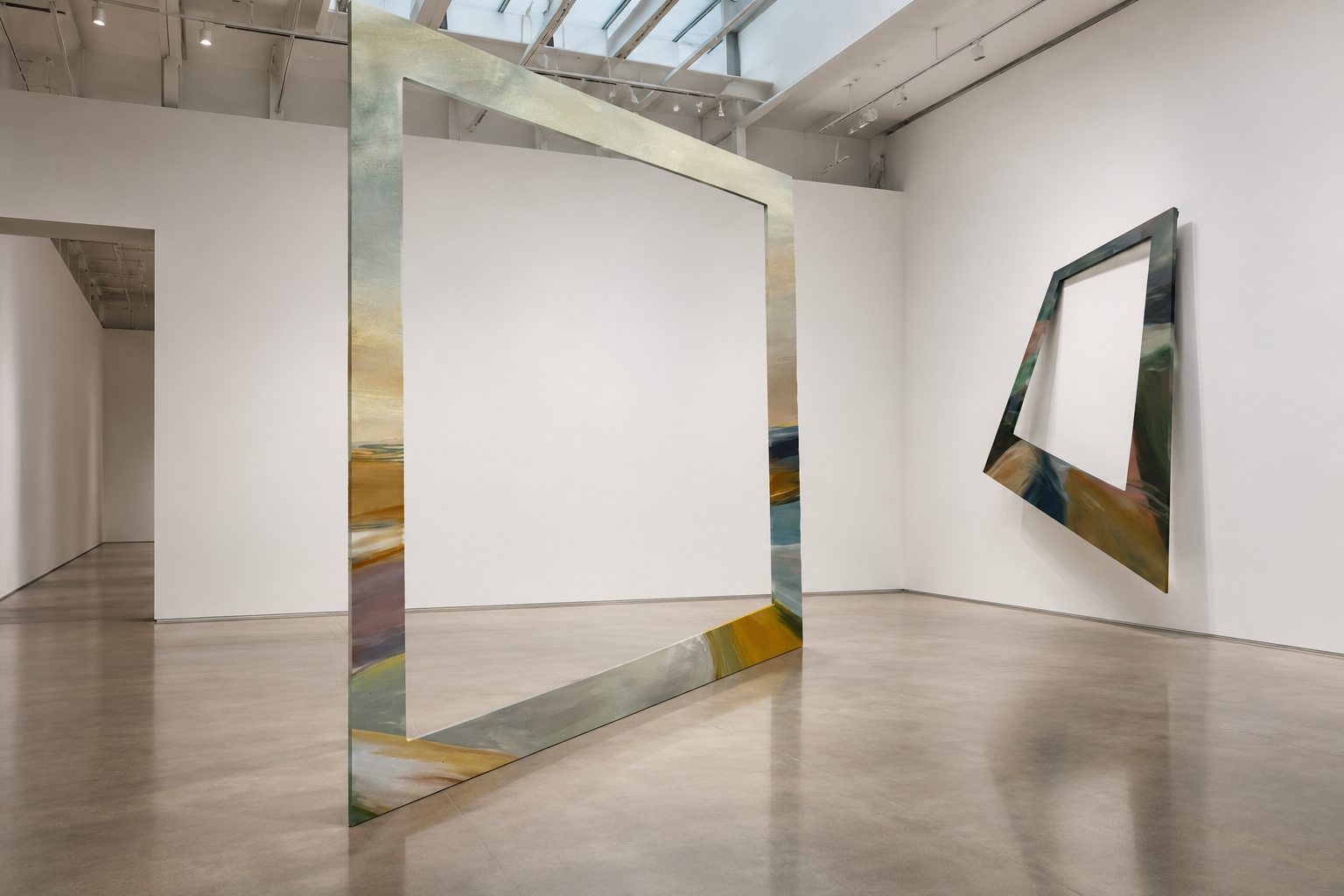
Layers of history, maquette for installation piece Oil on canvas and wood
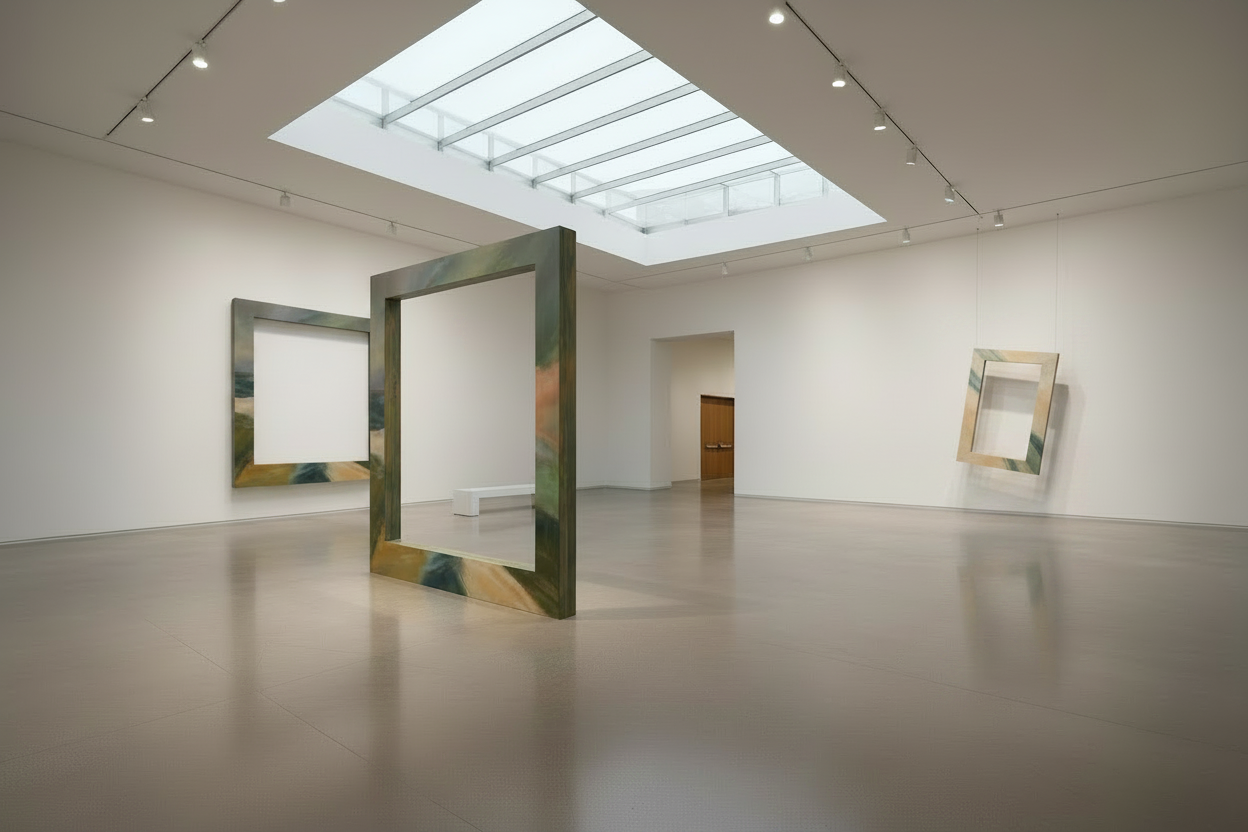
The impossible wall, maquette for installation, Oil on canvas and wood
Architecture of Human Ties explores the invisible social structures that shape how we move, relate, and inhabit the world. Working in oil paint and oil pastel, Marie-Chloé Duval constructs layered landscapes where organic forms—traces of human presence, movement, memory, and emotion—gradually merge with architectural geometries. Rather than existing in opposition, these elements become inseparable, suggesting that the environments we inhabit are not merely built spaces, but living records of our collective existence.
Her process increasingly resembles that of a paleontologist or geologist, carefully uncovering slices of earth, ice cores, and sedimentary layers. Each painting becomes an excavation, revealing the accumulated traces of human passage over time. Geological strata become a metaphor for social strata, exposing the often-unseen systems, relationships, and structures that quietly organize collective life. What first appears as a landscape slowly reveals itself as a portrait of society—an architecture built through countless individual gestures, histories, and encounters.
These spaces exist in a constant state of transformation. Boundaries between the organic and the constructed dissolve, as human traces evolve into walls, pathways, and layered formations that resemble both natural terrain and social infrastructure. The resulting worlds oscillate between landscape, map, memory, and architecture, inviting viewers to navigate spaces where personal experience and collective systems become one.
Through layered surfaces, partial visibility, and intentional obstruction, Architecture of Human Ties questions how reality is constructed—not as something fixed, but as an evolving network of relationships. Beneath every visible structure lies another, revealing that the landscapes we create and inhabit are inseparable from the social systems that shape us, and from the countless traces we leave behind.